

An issue we often see on a basement foundation is a bowed wall – “a wall that is leaning or curving.” If you notice any leaning from your basement walls, contacting a foundation repair expert immediately is the right move to make. The basement of your home is the most critical foundation piece. It’s what holds up the rest of your home, meaning if one part of a wall is compromised, your entire home has the potential to also be compromised.
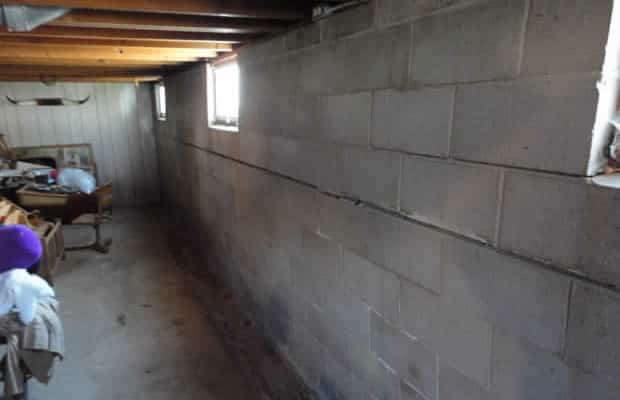
What A Bowed Wall Looks Like
It’s important to recognize the signs of what a bowed basement wall looks like so you can address the issue as soon as possible. Below are a couple or bowed walls that the team at BDB Foundation Repair has been called in to fix:
Causes
The main cause of leans and cracks that come with a bowing wall is due to hydrostatic pressure pushing in on your foundation’s wall.
Hydrostatic Pressure is created when the soil expands after absorbing the moisture from either rain or snow melting on the lawn. On the other hand, dry weather makes soil shrink and compact. This takes the support away from your foundation causing it to crack.
Another common reason foundations begin to bow is the drainage around your home. Poor drainage doesn’t allow water to escape, leaving it to sit right on your foundation. This could require an interior waterproofing or water drainage solution such as installing a sump pump.
Why Fix a Bowed Wall Right NOW?
The potential damage of a bowed wall can be disastrous for the wellbeing of your home, family, and peace of mind.
Foundation issues range in severity and having a bowed wall can be severe. It’s an issue that WILL get worse as time goes on, and your ability to act quickly to fix the problem could make all the difference. When this issue is ignored, it could leave you with a caved-in basement wall and a slew of other damages – requiring you and your family to move out until the foundation is structurally sound again.
Bowed Wall Repair by BDB Foundation Repair
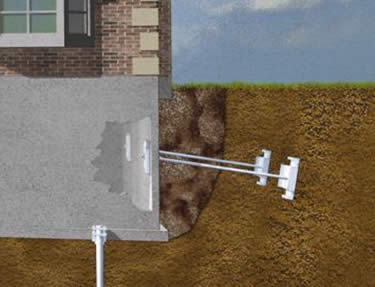
Bowed walls can be repaired with wall anchors. They counteract the hydrostatic pressure being applied on the wall from the soil surrounding the home.
These anchors are made of strong, durable materials, and coated with a galvanizing agent to prevent deterioration. They have a low-profile wall plate that can easily be painted over or finished.
Benefits:
- Minimal excavation or disturbance to property, lawn or landscaping.
- Installed in a day or less.
- No wait – can be installed year-round.
- Easily installed in areas with decks, landscaping or flowerbeds.
- Cost-effective – lower cost than rebuilding foundation wall(s)
Contact Us
BDB Foundation Repair has been repairing bowed walls since 1999. Our qualified foundation experts can evaluate the situation and determine the best solutions for realigning your basement wall and putting it back into place. Contact BDB Foundation Repair today.