

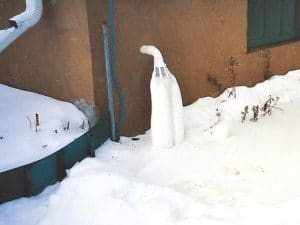
Sump pumps are designed to eliminate moisture and prevent basement water problems. Basements tend to be colder and less insulated, which could potentially cause your sump pump to freeze. A frozen sump pump could cause your home lots of damage! So how can you prevent it? BDB Foundation Repair has some tips.
Reduce the Sump Pumps Workload
Redirecting water away from your foundation and basement will prevent the sump pump from overworking itself. When there is a large amount of water that needs dispersed, the motor must work harder, which in turn could lead to overheating and potential failure. Reduce the risk of frozen water blocking your sump pumps intake section and discharge line.
Insulate the Intake and Discharge Line
Try insulating these to avoid them freezing. Once frozen, the sump pump will not function properly. This puts your home in danger for flooding. You can bury the discharge hose in the ground to prevent them from freezing. The part of the hose that lies above ground will need additional insulation, which you can do by wrapping this section with an electric cable or heating tape.
Keep the Heat Up
Make sure your home’s temperature is always at least above 55 degrees Fahrenheit. The basement is an inherently cold place, and the house must be kept well above freezing to prevent the sump pump, hoses, and even your pipes from freezing.
Install a Sump Pump Battery Backup
With colder temperatures and impending storms, there is always a chance of a power outage. Having a backup battery can keep your sump pump working even if your house is without power. These can be some of the coldest nights, so the sump pump must continue to be on if you do not want it to freeze and malfunction.
Use a Larger Discharge Hose
A bigger hose is helpful to get water passing through. A smaller hose is more likely to freeze and have ice blocking the potential water from leaving through the sump pump. If the water cannot flow through your sump pump it can lead to serious issues in the future. Water can freeze not just because it’s cold, but because the water is not moving. Ensure the water can pass through with a larger hose.
Use Professional Sump Pump Installation
Professional sump pump installers like BDB Foundation Repair can help make sure that your sump pump is properly installed and help with any needed maintenance. We can also install a sump pump alarm to notify your when water levels are too high for a sump pump to manage.
If you have any questions or concerns about keeping your sump pump from freezing this winter, or would like to have one installed, contact BDB Foundation Repair today for more information.